5 Simple Facts About Supination of the Foot: Causes, Solutions and Tips
What supination (underpronation) is, how to spot it, what causes it, and the shoe features and exercises that help.
Updated September 3, 2026 · 2 min read
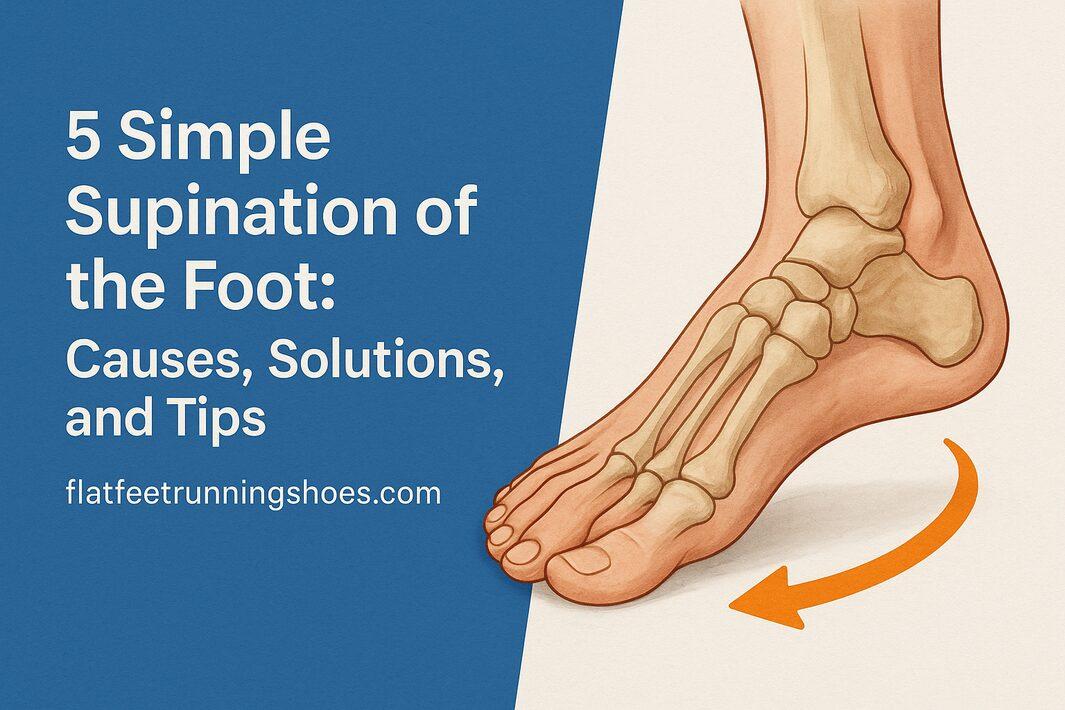
Most foot advice for runners focuses on overpronation. But some feet do the opposite: they roll outward. This is called supination, or underpronation, and it comes with its own set of problems.
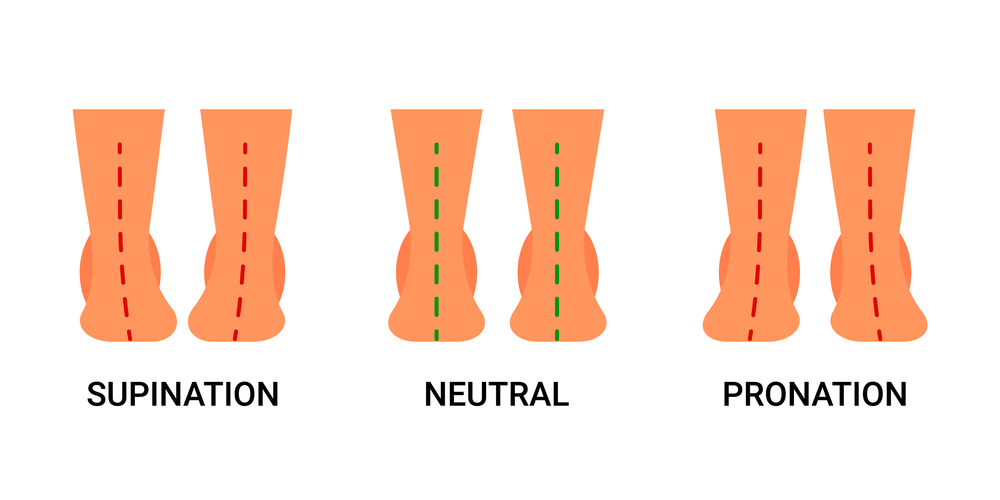
1. What supination is
When you land, your foot naturally rolls slightly inward to absorb shock. With supination, the foot stays on its outer edge or rolls outward instead. Your weight is carried along the outside of the foot and you push off from the smaller toes rather than the big toe.
Supination is more common in people with high, rigid arches. It's less common in people with flat feet, but it can still happen, for example after an ankle injury.
2. How to spot it
- Your shoes wear mostly on the outer edge of the sole
- Your shoes tilt outward when placed on a flat surface
- You get frequent ankle sprains or feel unstable on uneven ground
- You have pain along the outside of the foot, ankle or knee
- Calluses form on the outer edge of the foot or under the little toe
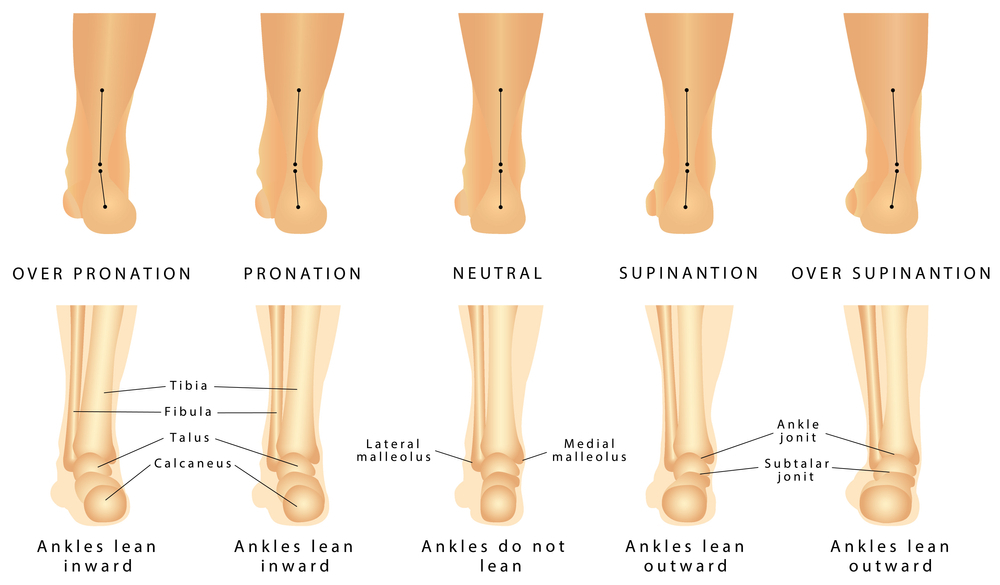
3. What causes it
- High, rigid arches, often inherited
- Previous ankle sprains that left the ankle weak or stiff
- Tight calves and Achilles tendons
- Weak foot and lower-leg muscles
- Worn-out shoes that have broken down on the outer edge
4. Problems it can cause
Because a supinated foot absorbs less shock, more force travels up the leg. That can contribute to ankle sprains, Achilles tendon pain, iliotibial (IT) band pain, plantar fasciitis and stress fractures in the outer foot bones.
5. Solutions that help
Choose cushioned neutral shoes. Supinators generally do best in well-cushioned neutral shoes with a flexible forefoot. Avoid stability shoes designed to stop inward rolling, as they can make supination worse. Popular cushioned neutral lines include the Brooks Glycerin, Mizuno Wave Rider and Adidas Ultraboost.
Add cushioned insoles. A soft insole with a moderate arch and a good heel cup can help spread pressure and absorb shock.
Stretch and strengthen. Try daily calf stretches, ankle circles, single-leg balance, resistance-band eversion exercises (pushing the foot outward against a band) and toe raises.
Replace shoes on time. Worn outer edges make supination worse. See how often to replace running shoes.
Get assessed. A gait analysis or a podiatrist visit can confirm whether you supinate and whether custom orthotics would help.
The bottom line
Supination is the opposite of overpronation and needs the opposite approach: more cushioning and flexibility, not more correction. Pick a cushioned neutral shoe, strengthen your ankles and see a professional if pain or sprains keep coming back.
Keep reading
Flat Feet vs Overpronation: What's the Difference?
Flat feet describe the shape of your foot. Overpronation describes how it moves. Here's how to tell them apart and why it matters for your shoes.
Running Shoes for Flat Feet and Wide Feet: The 2026 Comprehensive Guide
Flat and wide feet need both support and space. Learn how to find running shoes that give you both without compromise.
Best Running Shoes for Flat Feet: Stability and Comfort Guide for 2026
How stability running shoes work, which features matter most for flat feet, and how to test a pair before you buy.