Running Shoes for Flat Feet and Wide Feet: The 2026 Comprehensive Guide
Flat and wide feet need both support and space. Learn how to find running shoes that give you both without compromise.
September 7, 2026 · 2 min read
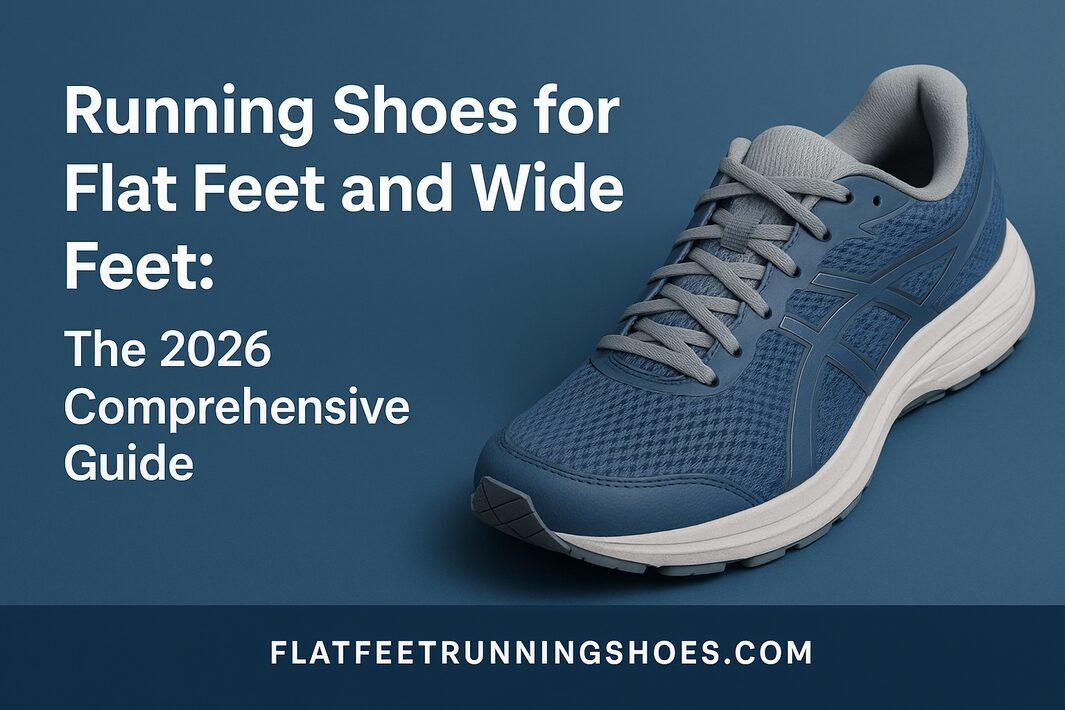
Flat feet and wide feet often go together. When the arch drops, the foot lengthens and spreads, so a shoe that fit when you were standing can feel tight a few miles into a run. The good news is that more shoes now come in proper wide sizes, and you don't have to choose between support and comfort.
Why width matters as much as support
A shoe that's too narrow causes problems even if its arch support is perfect:
- Your foot hangs over the midsole, which makes the shoe less stable, not more.
- Toes get cramped, leading to blisters, black toenails and irritated bunions.
- Nerves get squeezed across the forefoot, which can cause numbness or burning.
Understanding width sizes
Most running brands offer several widths:
| Men's | Women's | Meaning |
|---|---|---|
| D | B | Standard |
| 2E | D | Wide |
| 4E | 2E | Extra wide |
Not every model comes in every width, so check before you fall for a shoe. A wide size is built on a different last, not just stretched, so it should fit better than sizing up in length.
What to look for
- A broad, rounded toe box that lets your toes spread when you push off.
- A wide, stable platform under the midfoot, so your foot sits on the shoe instead of over the edge.
- Stretchy, engineered mesh uppers that give without losing hold.
- Midfoot support from guide rails or a firmer medial side if you overpronate.
- A secure heel, since wider shoes can sometimes slip at the back.
Shoe lines that come in wide sizes
Many popular stability and support lines are made in wide and extra-wide versions, including the Brooks Adrenaline GTS, ASICS GT-2000 and Gel-Kayano, New Balance 860, Saucony Guide and Hoka Arahi. New Balance in particular is known for offering a wide range of widths. Availability changes each season, so check the brand's size chart.
Fitting tips for wide, flat feet
- Measure both feet standing up. Fit the larger one.
- Try the wide version first instead of going up a half size in a standard width.
- Use lacing to fine-tune. Skip an eyelet over a pressure point, or use a "window" lace to relieve the top of the foot.
- Remove the stock insole and stand on it. If your foot spills over the edges, the shoe is too narrow.
- Leave room for insoles. If you use orthotic insoles, bring them to the fitting.
Mistakes to avoid
- Sizing up instead of widening. A longer shoe is still narrow, and the extra length makes the flex point sit in the wrong place.
- Picking soft over stable. Very soft, narrow-based shoes can feel great in the store and wobbly at mile five.
- Ignoring discomfort. A shoe that pinches won't "break in" much. Modern running shoes should feel right from day one.
The bottom line
For flat, wide feet, look for a shoe that's genuinely wide, not just long, with a stable platform and midfoot support. Try the wide version of a good stability shoe first and use lacing to fine-tune the fit.
Keep reading
Best Running Shoes for Flat Feet: Stability and Comfort Guide for 2026
How stability running shoes work, which features matter most for flat feet, and how to test a pair before you buy.
How Often Should You Replace Running Shoes? A Guide for Flat-Footed Runners
The mileage rule of thumb, the warning signs that your shoes are worn out, and why it matters more if you have flat feet.
Running Shoes for Flat Feet in 2026: Stability, Comfort and Fit Guide
A practical guide to the shoe lines flat-footed runners trust most, from Brooks and ASICS to Hoka, Saucony and New Balance.