Running Shoes for Flat Feet in 2026: Stability, Comfort and Fit Guide
A practical guide to the shoe lines flat-footed runners trust most, from Brooks and ASICS to Hoka, Saucony and New Balance.
Updated September 3, 2026 · 2 min read
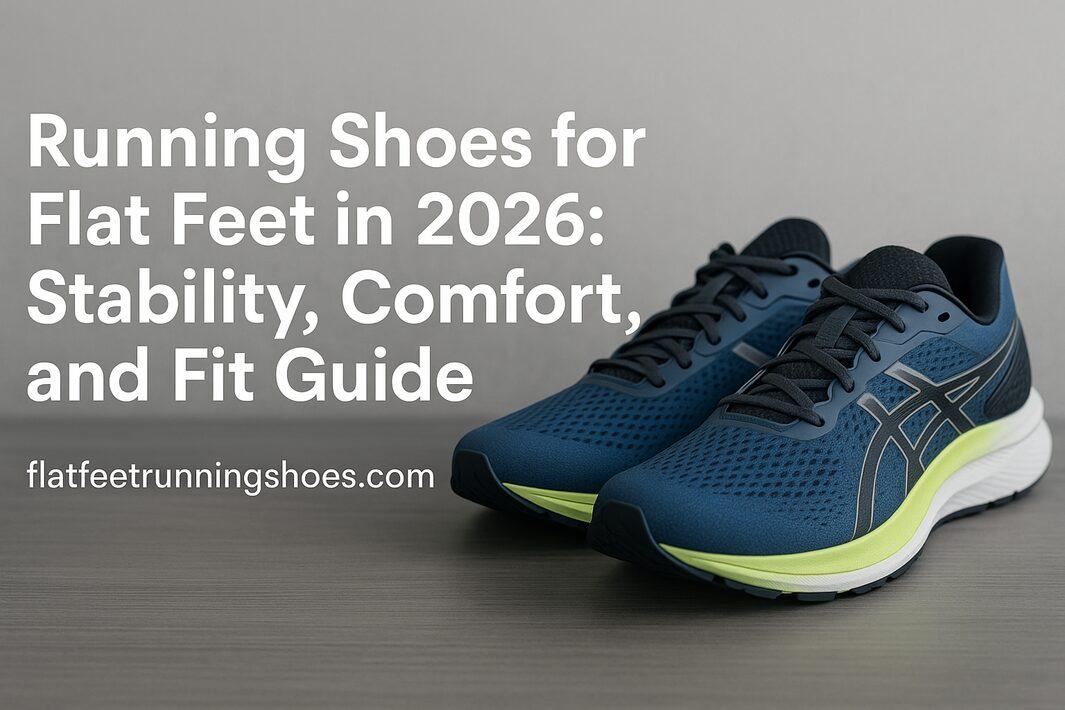
Finding the right running shoe with flat feet can take some trial and error. This guide walks through the shoe lines that flat-footed runners return to year after year, and what each one does best. Brands update these models regularly, so think of them as families rather than one exact version.
Before you choose
Ask yourself three questions:
- Do you overpronate? If your ankles roll in noticeably, start with stability shoes. If not, a stable neutral shoe may be enough. Not sure? Read flat feet vs overpronation.
- How much cushioning do you like? Some runners love a soft, high-stack ride. Others prefer to feel the ground.
- Do you need extra width? See our guide for flat and wide feet.
Shoe lines to try
Brooks Adrenaline GTS
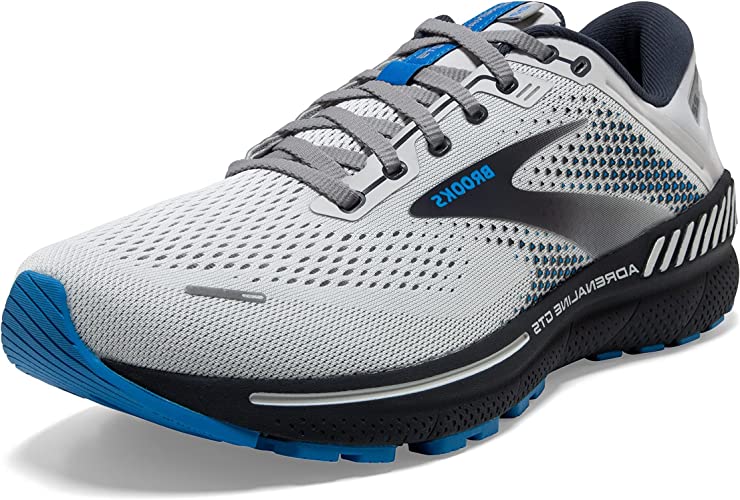
A long-time favorite for flat feet. Its "GuideRails" support the heel and keep the knee tracking straight without feeling stiff. A dependable daily trainer for most mileage.
Saucony Hurricane
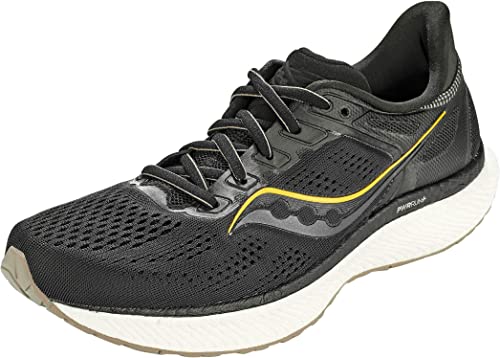
Saucony's maximum-support shoe, with plenty of soft cushioning and a stable base. A good pick for heavier runners or long, easy miles.
Hoka Gaviota and Arahi
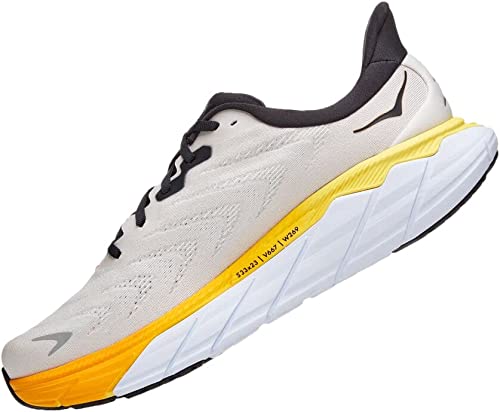
Hoka's stability shoes pair a wide, rockered platform with firmer foam on the sides to guide the foot. The Gaviota is the more cushioned of the two, and the Arahi is a little lighter.
Brooks Launch GTS
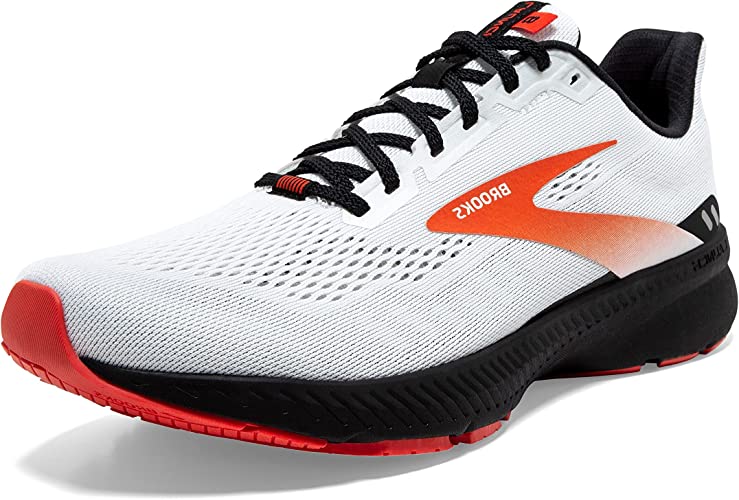
A lighter, snappier stability shoe that suits tempo runs and runners who don't want a bulky feel.
New Balance 860
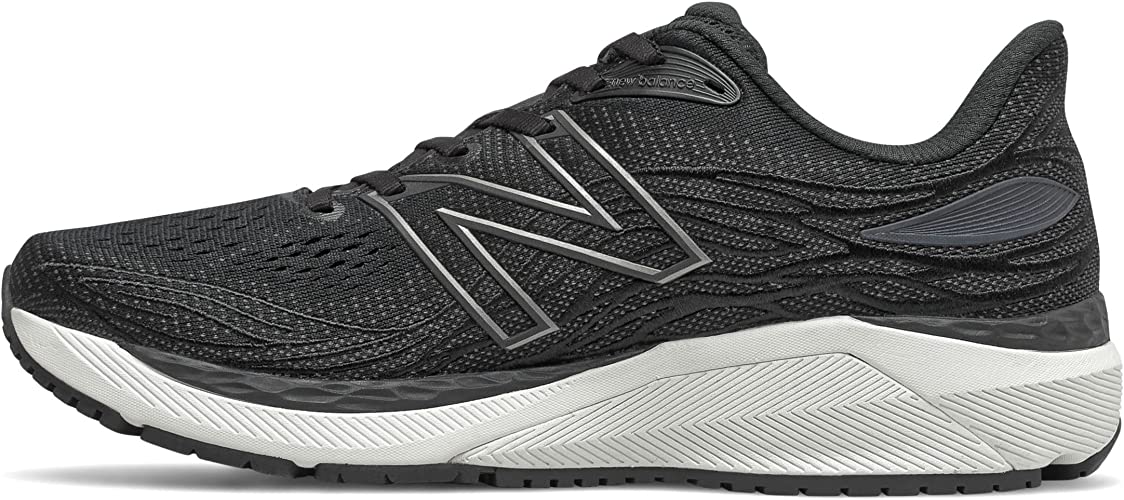
A traditional stability trainer with firmer medial foam and a wide range of widths, making it a strong option for flat, wide feet.
ASICS Gel-Kayano and GT series
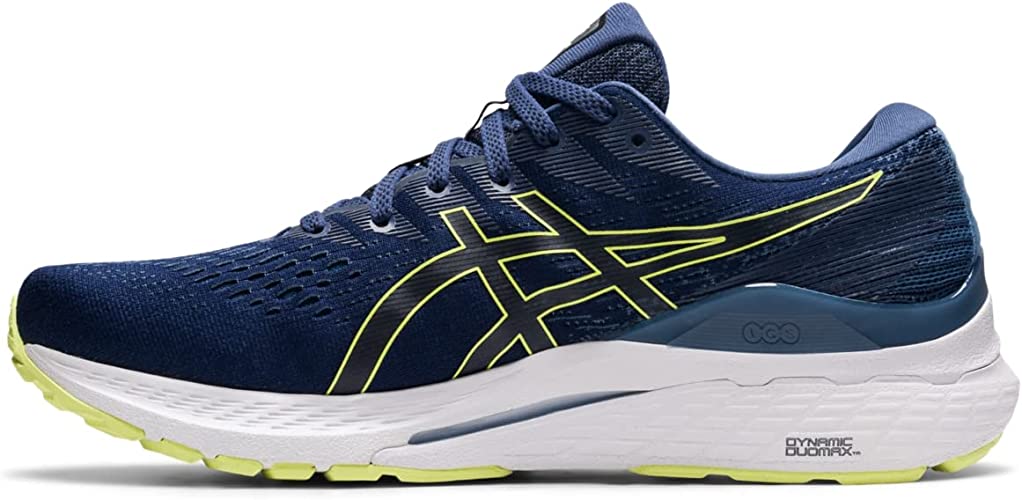
The Gel-Kayano is ASICS' premium stability shoe, with generous cushioning and a supportive heel. The GT-2000 is a lighter everyday option, and the GT-4000 has traditionally offered firmer support at a lower price.
Fit checklist
- A thumb's width of space in front of your longest toe
- No heel slip when you jog
- No pressure on the top of the foot or the sides of the forefoot
- Arch support you can feel but that doesn't dig in
- Comfort from the first run, with no "breaking in" needed
When shoes aren't enough
If you still have arch, heel or shin pain in a well-fitted stability shoe, try orthotic insoles and see a podiatrist or physiotherapist. Persistent pain is worth checking, not running through.
The bottom line
There's no single best shoe for every flat foot. Start with one of the stability lines above, try on two or three, and pick the one that feels secure, roomy and comfortable from the first stride.
Keep reading
Running Shoes for Flat Feet and Wide Feet: The 2026 Comprehensive Guide
Flat and wide feet need both support and space. Learn how to find running shoes that give you both without compromise.
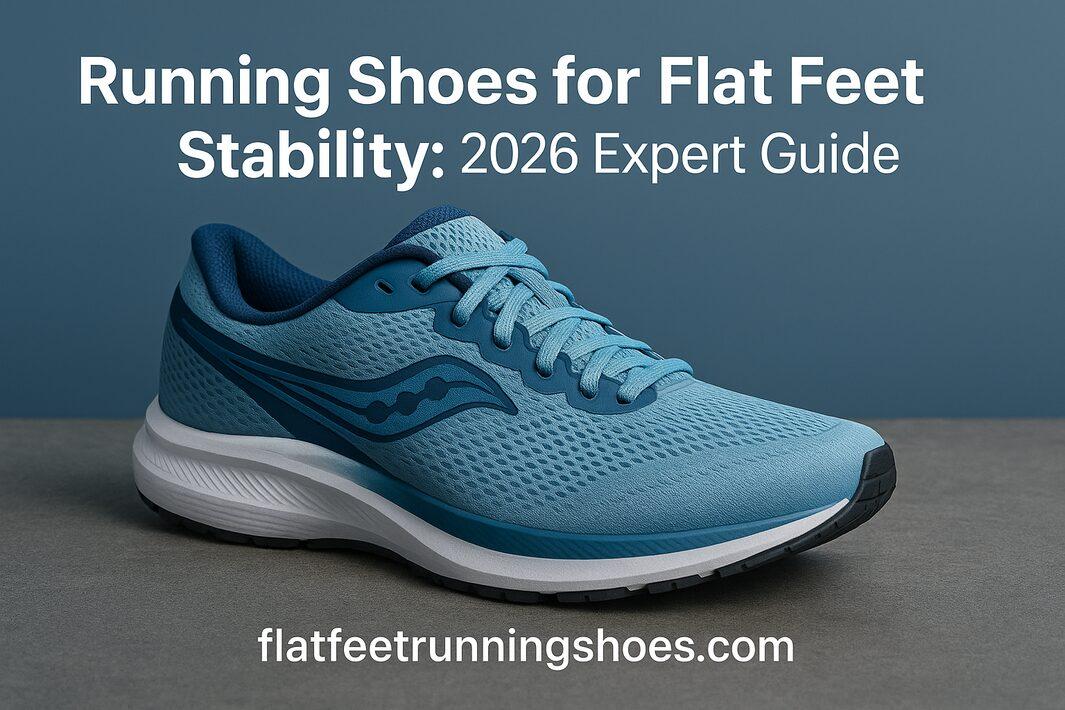
Best Running Shoes for Flat Feet: Stability and Comfort Guide for 2026
How stability running shoes work, which features matter most for flat feet, and how to test a pair before you buy.
How Often Should You Replace Running Shoes? A Guide for Flat-Footed Runners
The mileage rule of thumb, the warning signs that your shoes are worn out, and why it matters more if you have flat feet.