7 Natural Ways to Ease Bunions: A Guide for Flat Feet Runners
Bunions can't be reversed without surgery, but these seven natural steps can ease pain and help slow them down.
Updated September 3, 2026 · 2 min read

Bunions are common in runners with flat feet. First, an honest note: no exercise or remedy can shrink the bone change behind a bunion. Only surgery can correct it. But natural, non-surgical steps can ease pain, reduce swelling and may help slow progression.
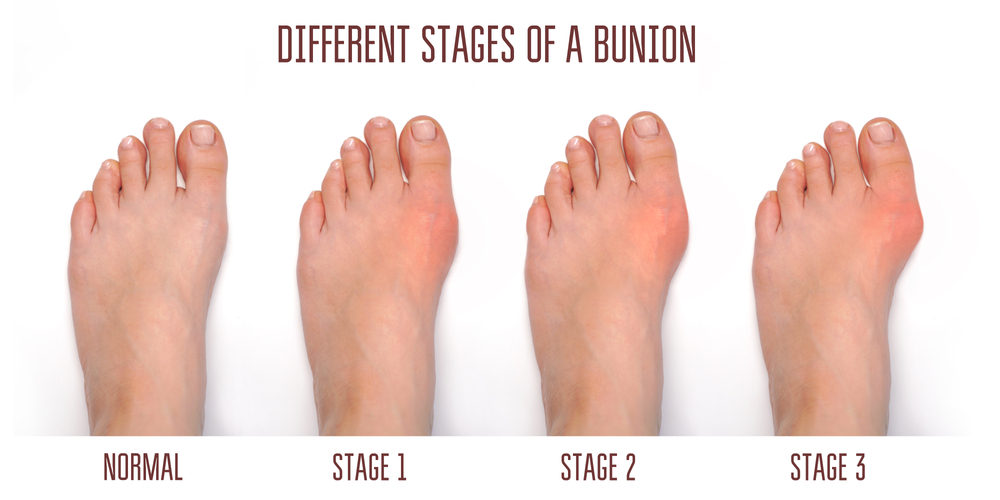
What a bunion is
A bunion (hallux valgus) is a bony bump at the base of the big toe. It forms as the big toe drifts toward the second toe and the joint is pushed outward. Genetics, foot shape and footwear all play a part. Flat feet and overpronation can add stress to the big-toe joint.
1. Wear shoes with a wide toe box
This is the most important step. Shoes that squeeze the forefoot press on the bunion and push the toe further inward. Choose shoes with a wide, rounded toe box and soft, stretchy uppers. Many running shoes come in wide sizes.
2. Support your arch
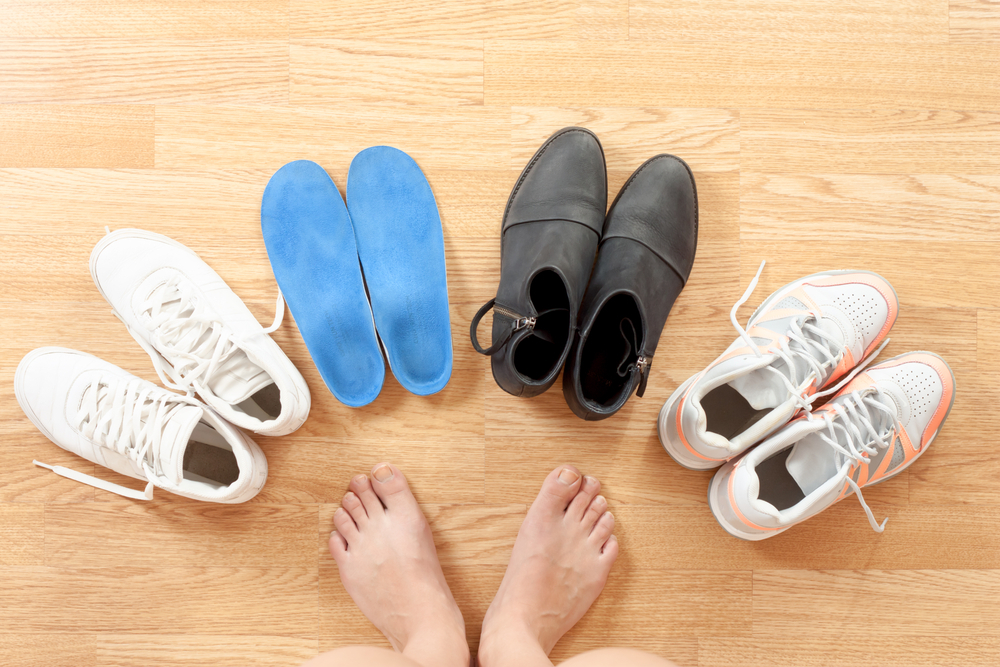
Supporting a flat arch can reduce the inward roll that loads the big-toe joint. A good orthotic insole may ease pressure on the bunion.
3. Use toe spacers and bunion pads
Silicone toe spacers can ease discomfort by gently separating the toes. Gel bunion pads reduce rubbing inside the shoe. They don't change the bone, but they can make shoes more comfortable.
4. Do toe and foot exercises
Exercises keep the joint mobile and strengthen the small foot muscles:
- Toe spreads. Spread your toes as wide as you can, hold for 5 seconds and repeat.
- Big-toe pulls. Gently pull the big toe into a straighter line and hold.
- Towel scrunches and marble pickups.
- Ball rolls under the sole of the foot.
5. Ice and rest when it flares
After a long run or a day on your feet, ice the joint for 10 to 15 minutes to calm swelling. Cut back on activities that make it throb.
6. Manage your training load
Sudden increases in mileage, lots of downhill running and speedwork on your toes can all aggravate bunions. Build up gradually and mix in low-impact cross-training.
7. Keep a healthy weight
Less load on the forefoot means less pressure on the joint with every step.
When to see a specialist
See a podiatrist or orthopedic doctor if:
- Pain limits your daily activities or running
- The big toe is crossing over or under the second toe
- The joint is stiff, red or swollen for long periods
- Shoes become hard to wear
They can discuss custom orthotics, injections and, in some cases, surgery.
The bottom line
You can't shrink a bunion naturally, but you can make it much more comfortable. Wear roomy shoes, support your arch, protect the joint and keep your feet strong.
Keep reading
Flat Feet vs Overpronation: What's the Difference?
Flat feet describe the shape of your foot. Overpronation describes how it moves. Here's how to tell them apart and why it matters for your shoes.

Running Shoes for Flat Feet and Wide Feet: The 2026 Comprehensive Guide
Flat and wide feet need both support and space. Learn how to find running shoes that give you both without compromise.

Best Running Shoes for Flat Feet: Stability and Comfort Guide for 2026
How stability running shoes work, which features matter most for flat feet, and how to test a pair before you buy.