Hiking Shoes for Flat Feet in 2026: A Complete Guide
How to choose hiking shoes and boots that support flat feet on uneven trails, plus the brands worth trying.
Updated September 3, 2026 · 2 min read
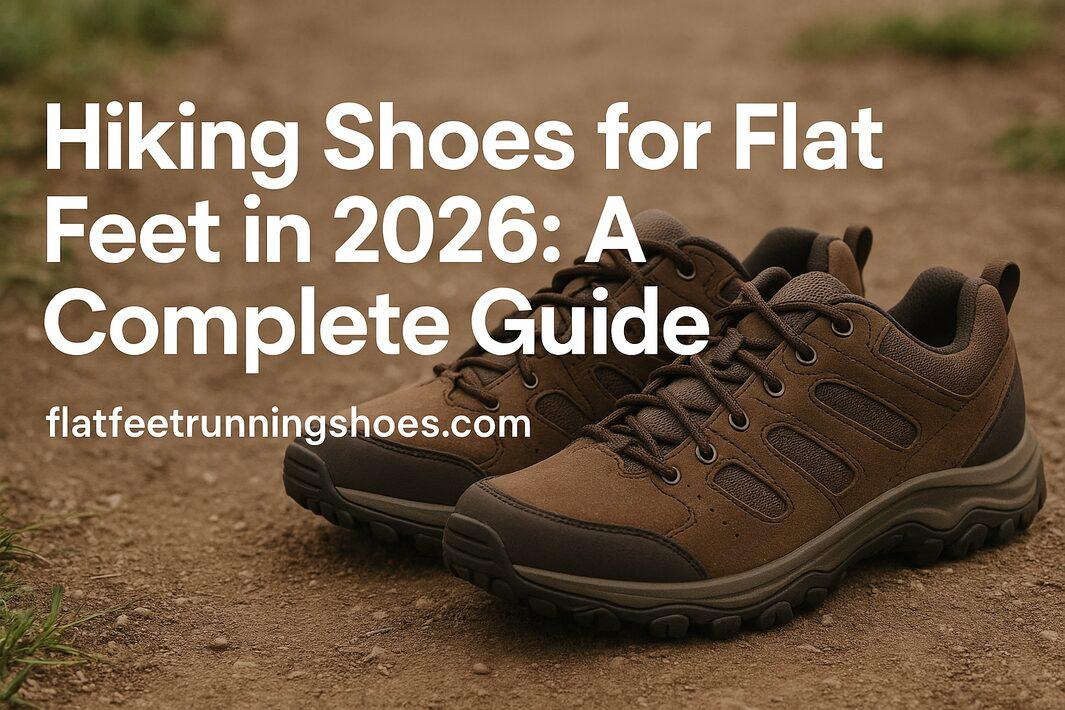
Trails are harder on flat feet than roads. Rocks, roots and slopes push the foot in every direction, and without a strong arch to brace against, your ankles and arches do extra work. A good hiking shoe gives you the stable platform your feet are missing.
What flat feet need on the trail
- A stable, wide base that resists rolling on uneven ground
- A firm midsole that doesn't twist easily through the middle
- A supportive heel counter to lock the rearfoot in place
- Room in the toe box for downhill sections and foot swelling
- Good traction so you aren't bracing your feet on every step
Shoes, mid boots or full boots?
- Hiking shoes are lighter and great for well-kept trails and day hikes.
- Mid-cut boots add ankle support, which many flat-footed hikers appreciate on rocky ground or with a pack.
- Full boots suit heavy loads and multi-day trips but take longer to break in.
If your ankles tend to roll, a mid boot is a good place to start.
Brands worth trying
Merrell Moab
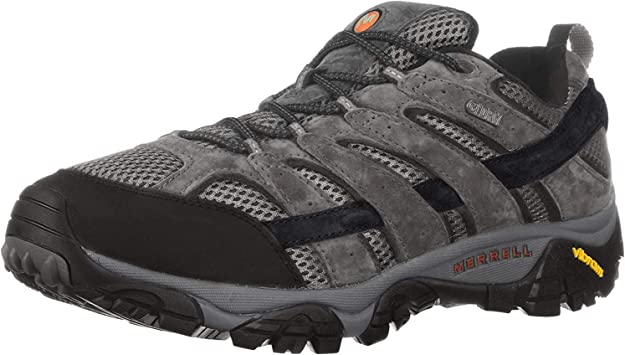
The Moab is one of the best-known hiking shoes for good reason. It has a supportive footbed, a stable base and comes in wide sizes.
Salomon X Ultra
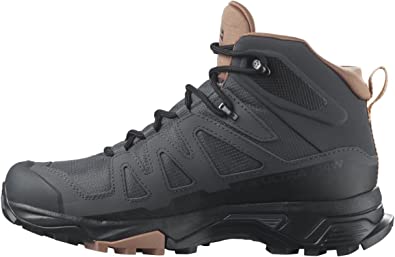
A lighter, more athletic hiker with a secure heel and a chassis designed to keep the foot stable on technical terrain.
Hoka Kaha
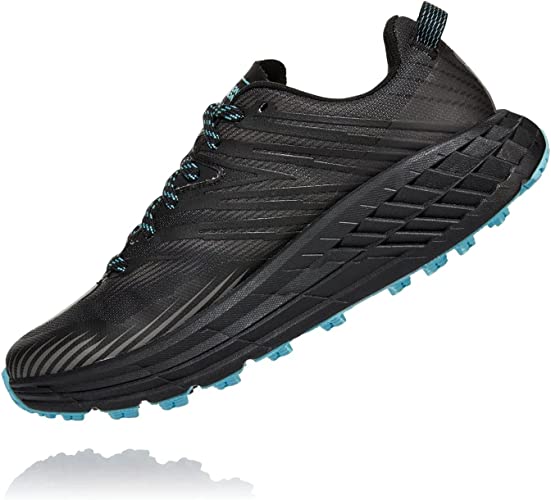
Hoka's cushioned, rockered approach applied to a hiking boot. It's a good fit if you want lots of cushioning for long days.
KEEN Targhee
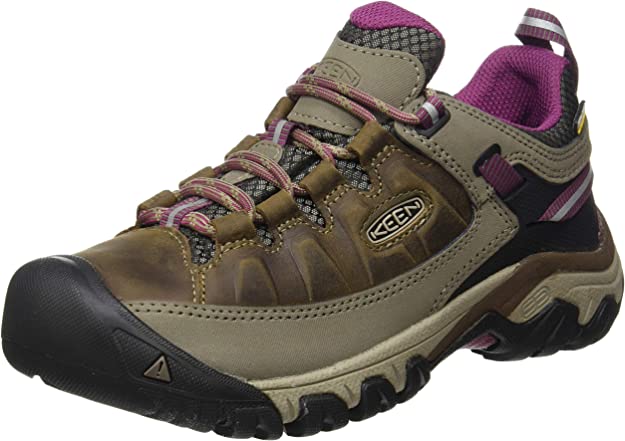
Known for a roomy toe box and a supportive midsole, the Targhee is popular with hikers who have wider feet.
La Sportiva and Lowa
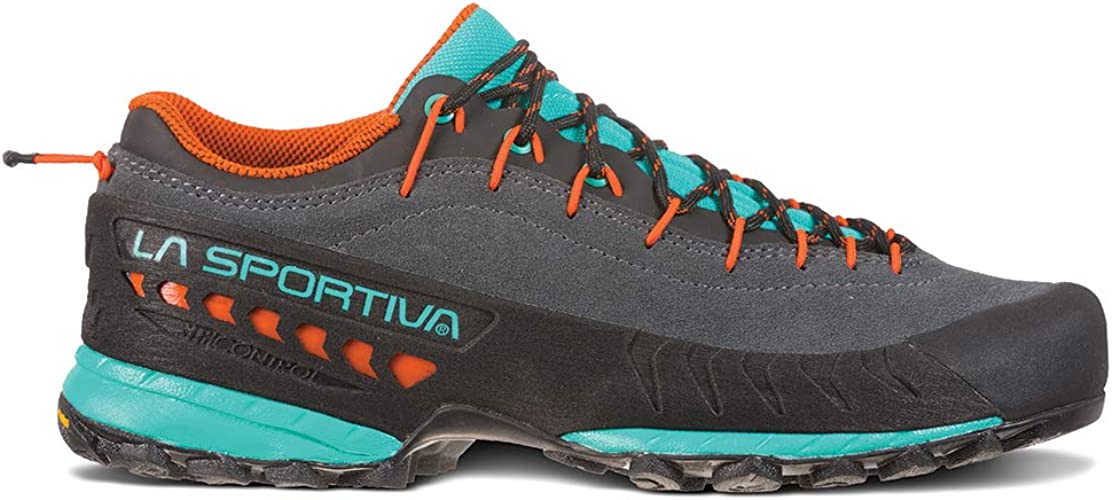
Both brands make precise, durable boots with firm midsoles. They're excellent for rough terrain once you've found a model that fits your foot shape.
Fitting tips
- Try boots on in the afternoon with the socks you'll hike in.
- Walk down a slope if the store has one. Your toes shouldn't hit the front.
- Check for heel lift. A little is normal in stiff boots, but it shouldn't rub.
- Swap in your insoles. Many hikers with flat feet replace the stock footbed with a supportive insole, such as Superfeet Green.
- Break them in gradually with short walks before a big hike.
The bottom line
For flat feet, the best hiking shoe is stable, firm through the middle, roomy in the toes and comfortable from the start. Try a mid boot if your ankles roll, and don't be afraid to add your own insoles.
Keep reading
Flat Feet vs Overpronation: What's the Difference?
Flat feet describe the shape of your foot. Overpronation describes how it moves. Here's how to tell them apart and why it matters for your shoes.
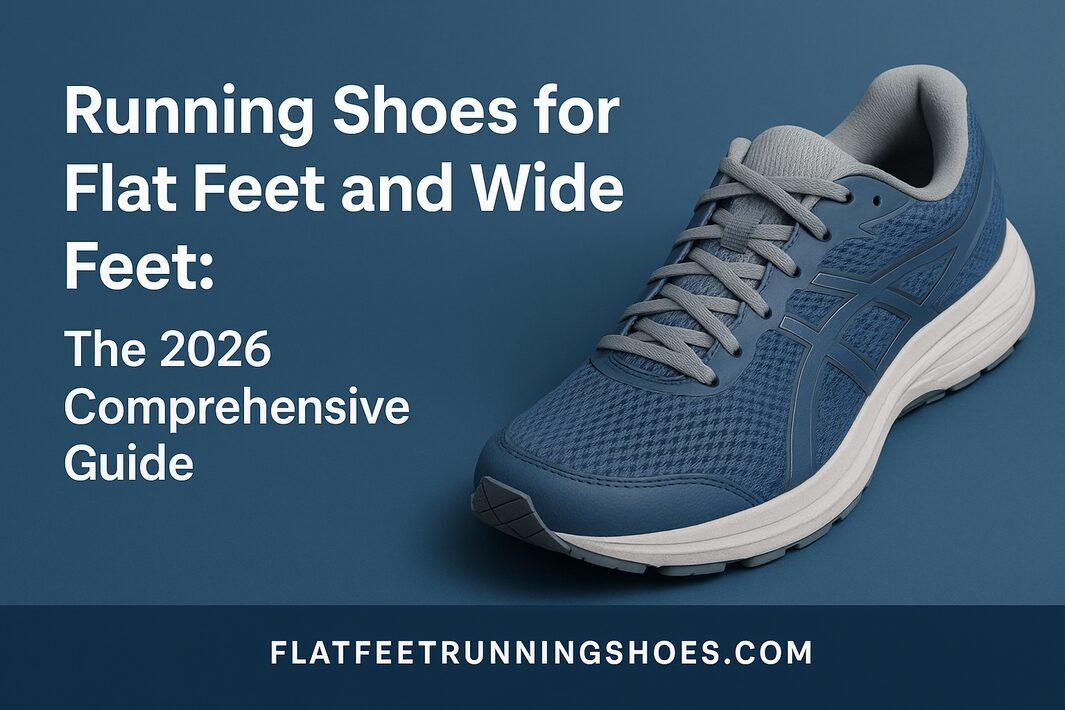
Running Shoes for Flat Feet and Wide Feet: The 2026 Comprehensive Guide
Flat and wide feet need both support and space. Learn how to find running shoes that give you both without compromise.
Best Running Shoes for Flat Feet: Stability and Comfort Guide for 2026
How stability running shoes work, which features matter most for flat feet, and how to test a pair before you buy.